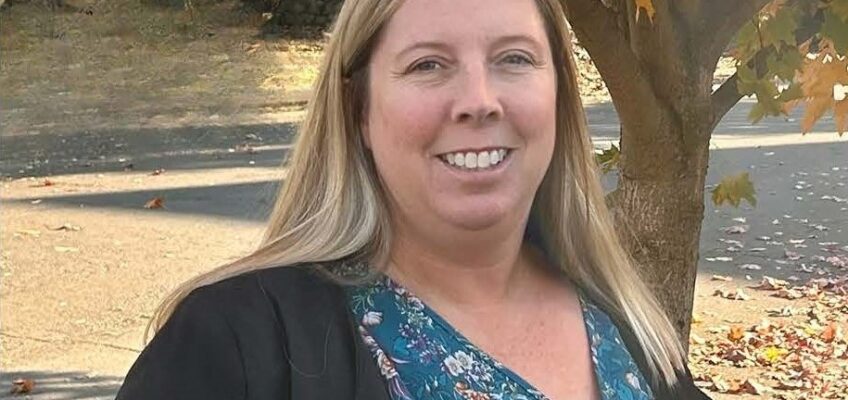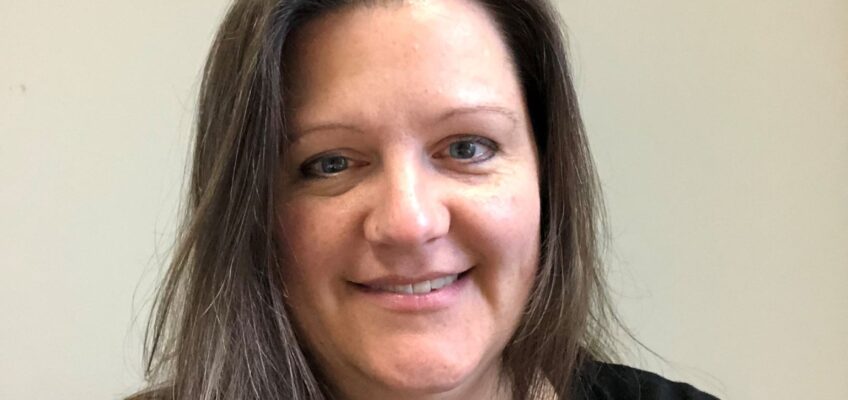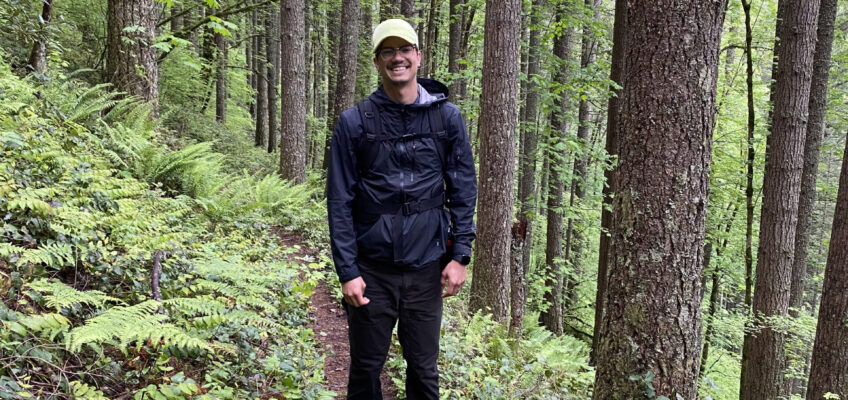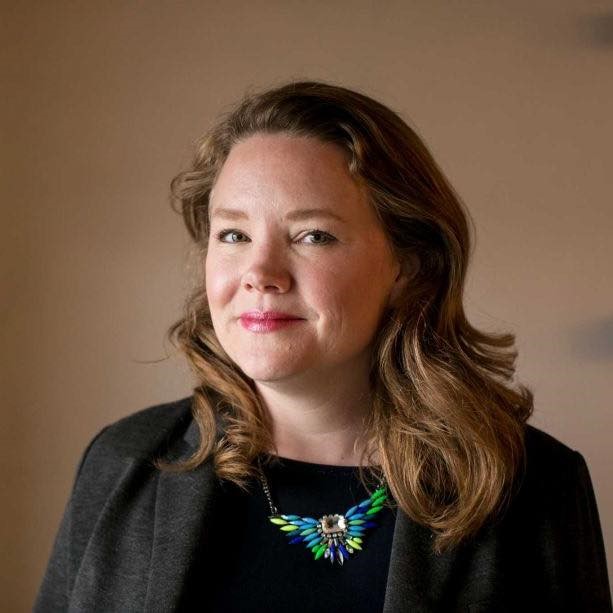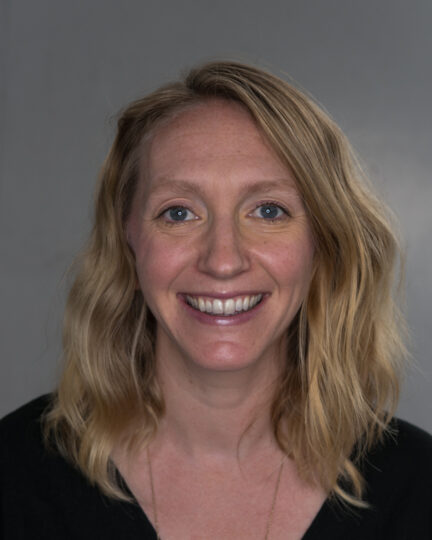
Staff Attorney Liz Sher is retiring after 30 years of practicing juvenile law at YRJ. We asked her to share her insights into juvenile court, representing children and parents, and her 30-year career with YRJ.
What made you want to be a lawyer?
I actually began my career as a National Park Ranger. After some time in the National Park Service, I realized I had to decide if I wanted to become a “lifer” or move on to something else. Law school had always been at the back of my mind. I come from a long line of lawyers, my father, grandfather, and brother- all lawyers. I am the only female attorney, and even as a kid I went to court with my dad.
I had a passion for environmental law and federal land management, so I decided to study environmental law. I wanted to help influence policy over the management of public lands. But by the time I got out of law school the job market for this type of law was very tough. So, I fell back on my other passion – criminal law.
What led you to choose juvenile public defense and YRJ?
It was by complete happenstance that I found my calling. And it is a calling; this is not for everyone. There are lots of righteous things lawyers do but there’s nothing else that lawyers do that I have a remote interest in.
The economy was rough in the early 90’s when I finished law school. I volunteered for the Classroom Law Project and through that landed a clerkship with Multnomah County Circuit Court Judge Linda Bergman. She was a former presiding juvenile court judge, and she’d sit at juvenile court every month or so. And I started to learn about juvenile law.
I got in the middle of the mutual admiration society: Judge Bergman loved Juvenile Rights Project (YRJ’s former name) and JRP loved Judge Bergman.
I was told: “if you want to practice juvenile law – you’ve got to go work for the Juvenile Rights Project.” There was a staff attorney opening at JRP, and I applied. And I found my niche without knowing it.
What areas do you specialize in, and why?
I’m a jill of all trades, I handle dependency and delinquency cases. I also ended up backing into expertise in sex cases. The sex crimes cases are complicated and very intensive. Nobody wins in these cases. And they are very intimidating when they first come in.
You never wanted to move into a supervisory position?
No, but I like the mentor role – I love mentoring, that’s my calling. Mentoring is important, it’s not only required by ethical rules, i.e. you have to co-counsel a felony to become felony qualified, but our office is committed to mentoring.
They’ve given me the time to mentor; they assigned me as lead counsel on cases with the goal of mentoring a new lawyer on it.
It’s meaningful – it has always been a good experience because the other lawyers I’ve worked with have taken it as such. Our new attorneys are already sharp, and it’s been a partnership; feedback has been positive. This office is so great, so mentoring is more like a partnership than a mentoring relationship.
What is the best piece of advice you received during your career?
It’s more philosophical advice – to keep an open mind about juvenile court. Some consider juvenile law somehow less important than adult law, like the poor stepchild. But it’s good to be open-minded.
You need to be able to humanize our clients. Some people call attorneys ‘counselors at law.’ And you are a sort of counselor in that you have to support this kid, while they’re facing potential heavy-duty consequences.
We have children for clients – you wouldn’t represent them the same way you would an adult. It’s a little more complicated. You have to try and explain these super complicated concepts to a kid. It’s very rewarding in that sense – a client told me once “you’re the only person who ever stood up for me in my life.”
How have things changed during your career? Do you see outcomes improving for our clients?
The science of juvenile brain development is in the lexicon now. Children are not miniature adults. Which is one of the reasons the juvenile waiver statute was changed.
What does a ‘win’ look like in your cases?
Motion to dismiss, motion to suppress, motions for conditional postponement – biggest victories. But victories come in all shapes and sizes in this job – forcing the court – by filing these motions. They care about the kid and the kid’s family, and his background. All of that is relevant for disposition (trial).
We paint a picture that is specific to that kid – things the judge might not otherwise know. There are different ways to attack the problem. There’s a lot of creativity that can be utilized.
What are you looking forward to most in retirement?
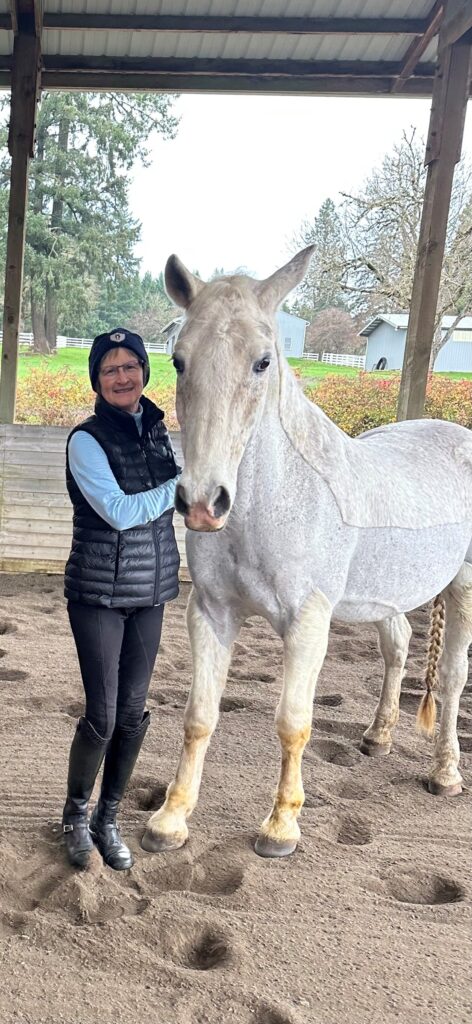
Less stress. Spending more time with the paws and hooves. Trips planned this year. Spending more time with family. And for a while I’m not going to do anything.
What would you tell a new lawyer, just starting out? Or someone who is considering public defense as a career?
Don’t let the dauting nature of it scare you away. Most people don’t understand how high the bar is for the juvenile court to get attached. Give yourself a break. Don’t expect to be proficient for a while, use your colleagues. This is a special calling.
What kept you here for 30 years?
Reading something on paper – invariably, my impression was wrong of a client – there’s always some kernel of humanity. Hopefully you can help people get on a better track. For the children we serve, just knowing there is an adult out there who will go to the mat for them, win or lose, is very important. And that’s important to me, I’ve taken that to heart over the years.
This work calls to me. In a lot of ways, it’s a thankless job but there is such a support mechanism in this office. The shared knowledge – the mutual understanding of what we deal with – when you have a victory or loss, it’s shared. After cases, we always ask ‘how can we do better? How can we use this victory for other people later? I’ll miss my colleagues the most. This is a dedicated, outstanding group of people.
I like walking into a courtroom and saying “I’m with Youth, Rights & Justice.”